
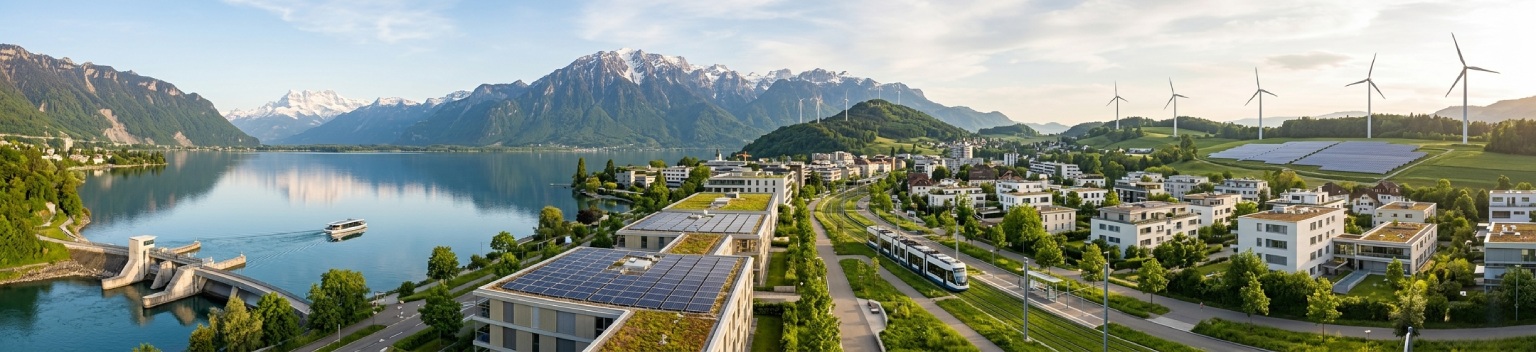
Il 21 e 22 aprile 2026 si è tenuto a Ginevra il Forum regionale sullo sviluppo sostenibile della Commissione economica per l’Europa delle Nazioni Unite (UNECE), con l’obiettivo di valutare i progressi compiuti dagli Stati membri nel perseguimento dei 17 Obiettivi di sviluppo sostenibile (SDG). La Svizzera, in qualità di paese ospitante, ha colto l’occasione del forum per mettere in evidenza sia le misure adottate a livello nazionale sia gli sforzi compiuti nell’ambito della cooperazione internazionale, con particolare attenzione quest’anno all’acqua pulita e ai servizi igienico-sanitari (SDG 6), all’energia pulita e a prezzi accessibili (SDG 7) e alle città sostenibili (SDG 11).
Il forum giunge in un momento cruciale. A meno di quattro anni dalla scadenza del 2030, i progressi globali sugli Obiettivi di Sviluppo Sostenibile (SDG) rimangono disomogenei. Secondo il Rapporto sullo sviluppo sostenibile 2025, la Svizzera si colloca al 26° posto su 167 paesi a livello mondiale, con un punteggio dell’Indice degli SDG pari a 79,16. Sebbene il paese abbia già raggiunto diversi obiettivi — tra cui l’eliminazione della povertà estrema e l’accesso universale a un’istruzione di qualità — permangono sfide persistenti in settori quali il consumo responsabile (SDG 12) e l’azione per il clima (SDG 13).
Il presente articolo esamina il duplice impegno della Svizzera nei confronti dell’Agenda 2030: da un lato, le strutture strategiche nazionali che regolano l’attuazione a livello interno e, dall’altro, i partenariati internazionali attraverso i quali la Svizzera contribuisce al raggiungimento degli Obiettivi di Sviluppo Sostenibile (SDG) a livello globale.
Impegno internazionale
Impegno nazionale
La strategia per lo sviluppo sostenibile 2030
L’approccio della Svizzera all’Agenda 2030 trova fondamento nella Strategia per lo sviluppo sostenibile 2030 (SDS 2030), adottata dal Consiglio federale nel giugno 2021. La strategia definisce un quadro decennale per la politica di sostenibilità della Svizzera e utilizza i 17 Obiettivi di sviluppo sostenibile (SDG) come quadro di riferimento. Essa stabilisce linee guida in tutti i settori politici federali e definisce le priorità politiche sia per la politica interna che per quella estera.
Il Consiglio federale ha individuato tre temi prioritari che definiscono le linee guida per l'attuazione a livello nazionale.
Consumo e produzione sostenibili
Ridurre il consumo di risorse, affrontare la significativa impronta ambientale della Svizzera all’estero e promuovere i principi dell’economia circolare lungo tutte le catene di approvvigionamento.
Clima, energia e biodiversità
Allinearsi all’Accordo di Parigi, accelerare la transizione energetica e proteggere gli ecosistemi alpini e i corridoi di biodiversità della Svizzera.
Pari opportunità e coesione sociale
Promuovere la parità di genere, favorire l’integrazione dei migranti, sostenere la partecipazione delle persone con disabilità e rafforzare le strutture di volontariato e comunitarie.
La governance decentralizzata e il sistema MONET 2030
La Svizzera ha optato per un modello di attuazione decentralizzato. Due delegati del Consiglio federale per l’Agenda 2030 presiedono congiuntamente un comitato direttivo interdipartimentale e circa 30 unità dell’amministrazione federale sono coinvolte nella produzione, nella trasmissione o nella convalida dei dati per il quadro degli indicatori degli SDG. A livello nazionale, il sistema di indicatori MONET 2030 monitora i progressi della Svizzera attraverso oltre 100 indicatori, che coprono tutti i 17 SDG e le tre dimensioni dello sviluppo sostenibile.
A livello subnazionale, i cantoni e le città utilizzano la piattaforma Cercle Indicateurs, un quadro di monitoraggio condiviso strutturato attorno a circa 30 indicatori distribuiti su dieci tematiche di sostenibilità. In occasione del Forum regionale dell’aprile 2026, la Svizzera ha messo in evidenza un nuovo sviluppo: le città di Ginevra, Berna e Basilea, insieme al cantone di Argovia, hanno ciascuna elaborato la propria prima «Voluntary Local Review» (VLR) — una valutazione localizzata che analizza i progressi relativi agli SDG a livello comunale e cantonale.
«Il raggiungimento degli obiettivi richiede la collaborazione di tutti gli attori, sia statali che non statali.» — Markus Reubi, delegato del Consiglio federale per l’Agenda 2030, aprile 2026
Cooperazione internazionale e impegno multilaterale
L’impegno della Svizzera nei confronti dell’Agenda 2030 si estende ben oltre i propri confini. Il Paese è attivo nei forum internazionali e ha individuato 41 Paesi prioritari per la cooperazione bilaterale allo sviluppo nel periodo 2025–28. L’impegno internazionale si articola su tre canali: la cooperazione bilaterale attraverso la Direzione dello sviluppo e della cooperazione (DSC), l’impegno in materia di politica economica attraverso la Segreteria di Stato dell’economia (SECO) e la diplomazia multilaterale presso l’ONU, l’UNECE e l’HLPF.
Il ruolo di Ginevra come polo globale per la sostenibilità è fondamentale in questo contesto. Il Geneva Water Hub, messo in evidenza in occasione del Forum regionale del 2026, funge da piattaforma riconosciuta a livello internazionale che rafforza il dialogo e la governance globale delle risorse idriche, sostenendo direttamente l’Obiettivo di Sviluppo Sostenibile (SDG) n. 6 (acqua pulita e servizi igienico-sanitari). La Svizzera sta inoltre promuovendo attivamente la cooperazione in vista della prossima Conferenza delle Nazioni Unite sull’acqua.
La delegazione svizzera al Forum regionale del 2026 rifletteva questo approccio interministeriale, essendo composta da rappresentanti del DFAE, della SECO, della DSC, dell’Ufficio federale dell’energia, dell’Ufficio federale per l’edilizia abitativa e dell’Ufficio federale per lo sviluppo territoriale, oltre che dall’Associazione svizzera dei banchieri e da rappresentanti dei giovani.
A margine del forum si è inoltre svolto uno scambio bilaterale in materia di rendicontazione nazionale tra il Consiglio per gli Obiettivi di Sviluppo Sostenibile (SDG) della Bosnia-Erzegovina e il delegato del Consiglio federale svizzero — a dimostrazione di come la Svizzera utilizzi questi incontri multilaterali non solo per la rendicontazione, ma anche per il trasferimento di conoscenze tra pari. La Strategia di politica estera 2024–27 del Paese definisce esplicitamente l’Agenda 2030 come elemento guida delle sue priorità in materia di affari esteri, in particolare in settori quali la costruzione della pace, l’adattamento ai cambiamenti climatici e il rafforzamento della governance negli Stati fragili.
I risultati della Svizzera in materia di Obiettivi di Sviluppo Sostenibile (SDG): a che punto sono i progressi
La Svizzera ha raggiunto diversi obiettivi fondamentali degli SDG. La povertà estrema è stata eliminata (obiettivo 1.1), non c’è più la fame (obiettivo 2.1) e l’istruzione (obiettivo 4.1) è gratuita, obbligatoria e di alta qualità. Tuttavia, l’impronta ambientale esterna del Paese — ovvero le risorse consumate all’estero per sostenere i consumi interni — rimane una sfida significativa. L’utilizzo di risorse provenienti dal territorio svizzero per il consumo interno sta diminuendo, ma l’utilizzo di risorse provenienti dall’estero continua ad aumentare in modi non sostenibili.
La dimensione delle ripercussioni è particolarmente rilevante. Il punteggio della Svizzera in materia di ripercussioni — che misura gli effetti negativi delle politiche e dei consumi di un paese su altre nazioni — si attesta a soli 42,07 su 100, riflettendo l’impatto delle catene di approvvigionamento internazionali, delle attività dei centri finanziari e del carbonio incorporato nei beni importati. Per un paese che registra un punteggio superiore a 79 nel raggiungimento degli SDG a livello nazionale, questo divario sottolinea la tensione tra la prosperità nazionale e gli obblighi di sostenibilità globale.
Il grafico che segue riassume i risultati ottenuti dalla Svizzera in una serie di gruppi rappresentativi di Obiettivi di Sviluppo Sostenibile (SDG), sulla base delle valutazioni contenute nel dashboard del Rapporto sullo sviluppo sostenibile 2025.
Fonte: Rapporto sullo sviluppo sostenibile 2025 — valutazioni del dashboard. Scala: 0 = sfide significative, 100 = SDG raggiunto.
Il rapporto nazionale 2026: cosa significa per il settore imprenditoriale
La Svizzera sta preparando la sua terza Revisione Nazionale Volontaria (VNR) in vista del Forum politico di alto livello sullo sviluppo sostenibile che si terrà a New York nel luglio 2026. Le precedenti revisioni sono state presentate nel 2018 e nel 2022. Per questo ciclo di rendicontazione, il Dipartimento federale degli affari esteri ha coordinato una valutazione delle parti interessate attraverso la piattaforma digitale SDGital2030, raccogliendo contributi da cantoni, comuni, imprese, istituzioni finanziarie, mondo accademico e società civile fino a maggio 2025.
Ciò riveste importanza per il settore imprenditoriale e finanziario poiché i risultati della valutazione confluiranno non solo nel rapporto nazionale, ma anche nell’ulteriore sviluppo della strategia e del piano d’azione della Svizzera in materia di sviluppo sostenibile. Per le organizzazioni soggette agli obblighi di rendicontazione in materia di sostenibilità — sia nell’ambito del quadro normativo CSRD/ESRS dell’UE, dello SFDR, sia in base alle aspettative di divulgazione della Svizzera, in continua evoluzione — il VNR 2026 indica la direzione della politica futura.
Le tappe fondamentali dell’Agenda 2030 della Svizzera
Implicazioni per la rendicontazione ESG e la strategia di sostenibilità
Il quadro normativo svizzero relativo agli Obiettivi di Sviluppo Sostenibile (SDG) si intreccia direttamente con la rendicontazione ESG delle imprese. Il Consiglio federale ha adottato in linea di principio il principio della doppia materialità — lo stesso quadro concettuale su cui si basano gli standard europei di rendicontazione sulla sostenibilità (European Sustainability Reporting Standards) dell’UE. Le società con sede in Svizzera e quelle quotate in borsa in Svizzera, in particolare quelle con attività transfrontaliere, si trovano sempre più spesso a dover far fronte a requisiti che si sovrappongono, derivanti sia dalle aspettative svizzere in materia di informativa sia dalle normative dell’UE.
Per gli istituti finanziari, il legame è ancora più diretto. L’Associazione svizzera dei banchieri ha partecipato alla delegazione del Forum regionale 2026, a testimonianza dell’integrazione del settore finanziario nell’attuazione nazionale degli SDG. I fondi, i gestori patrimoniali e le compagnie assicurative che operano secondo le classificazioni SFDR devono già mappare gli impatti degli investimenti in relazione a fattori di sostenibilità che rispecchiano da vicino il quadro degli indicatori SDG. Le organizzazioni che utilizzano gli standard GRI troveranno un allineamento diretto tra le loro valutazioni di materialità e diversi indicatori MONET 2030 utilizzati dal governo svizzero.
La dimensione delle ripercussioni identificata nell’Indice SDG è rilevante anche per le società in portafoglio e per le valutazioni della catena del valore. Gli istituti finanziari che effettuano valutazioni degli impatti negativi principali (PAI) ai sensi dello SFDR, o le aziende che mappano i rischi della catena di approvvigionamento nell’ambito della Direttiva UE sulla due diligence in materia di sostenibilità aziendale (CSDDD), riconosceranno la stessa logica di impatto transfrontaliero che determina il basso punteggio della Svizzera in termini di ricadute. L’allineamento tra il monitoraggio degli SDG a livello governativo e la rendicontazione ESG delle imprese non è più solo teorico: sta diventando lo standard operativo.
Noi di Generation Impact Global realizziamo l’infrastruttura dati che aiuta le organizzazioni a gestire questa complessità, collegando i dati di sostenibilità tra diversi quadri di riferimento quali CSRD/ESRS, SFDR, GRI e ISSB e mappando le informazioni divulgate agli obiettivi SDG che i governi stanno attivamente monitorando. La nostra valutazione della preparazione alla rendicontazione ESG analizza il profilo della vostra organizzazione rispetto a questi quadri di riferimento e genera un punteggio di preparazione personalizzato.
Domande frequenti
Che cos’è la Strategia svizzera per lo sviluppo sostenibile 2030?
La Strategia di sviluppo sostenibile 2030 (SDS) costituisce il quadro politico del Consiglio federale per l’attuazione a livello nazionale dell’Agenda 2030 delle Nazioni Unite. Adottata nel giugno 2021, definisce le linee guida decennali in tutti i settori politici federali e individua tre priorità: consumo e produzione sostenibili, clima, energia e biodiversità, nonché pari opportunità e coesione sociale.
In che modo la Svizzera monitora i progressi relativi agli Obiettivi di Sviluppo Sostenibile (SDG)?
A livello nazionale, il sistema di indicatori MONET 2030 utilizza oltre 100 indicatori per monitorare i progressi relativi a tutti i 17 Obiettivi di Sviluppo Sostenibile (SDG). A livello subnazionale, i cantoni e le città utilizzano la piattaforma Cercle Indicateurs. La Svizzera presenta inoltre all’ONU, ogni quattro anni, le proprie relazioni nazionali volontarie.
Cosa sono le revisioni locali volontarie?
I VLR sono valutazioni a livello locale elaborate da città e regioni per valutare l’attuazione degli SDG a livello subnazionale. Nel 2026, le città di Ginevra, Berna e Basilea e il cantone di Argovia hanno pubblicato i loro primi VLR: è la prima volta che i comuni svizzeri effettuano queste valutazioni.
In che modo il quadro degli SDG della Svizzera si collega alla rendicontazione ESG?
La Svizzera ha adottato, in linea di principio, il principio della doppia materialità — lo stesso fondamento concettuale alla base della CSRD/ESRS dell’UE. Gli indicatori MONET 2030 sono strettamente allineati con i parametri utilizzati nella rendicontazione GRI, ISSB e SFDR. Le società svizzere con attività transfrontaliere devono far fronte a requisiti che si sovrappongono tra i quadri di rendicontazione svizzeri e quelli dell’UE.
A che posto si colloca la Svizzera nell’Indice SDG?
Secondo il Rapporto sullo sviluppo sostenibile 2025, la Svizzera si colloca al 26° posto su 167 paesi a livello mondiale, con un punteggio complessivo nell’Indice SDG pari a 79,16 su 100. Il paese ha raggiunto o quasi raggiunto gli obiettivi relativi alla povertà, all’istruzione e alla salute, ma deve affrontare sfide significative in materia di consumo responsabile (SDG 12) e azione per il clima (SDG 13).