
Blog
 Read more: GRI 102 (Climate Change 2025): what changes and how to prepare
GRI 102 (Climate Change 2025): what changes and how to prepare
GRI 102: Climate Change 2025 takes effect on 1 January 2027 and replaces the greenhouse gas disclosures in GRI 305. A clear guide to its ten disclosures, just transition, interoperability with ESRS and IFRS S2, and how to prepare.
 Per saperne di più: Modifiche al regolamento dell’UE sulla deforestazione (EUDR)
Modifiche al regolamento dell'UE sulla deforestazione (EUDR)
Il 13 luglio 2026 la Commissione europea ha adottato un atto delegato che modifica l’ambito di applicazione del regolamento UE sulla deforestazione (EUDR), la normativa che imporrà alle imprese di dimostrare che i propri prodotti non sono collegati alla deforestazione prima di venderli nell’UE o di esportarli dall’Unione. Il regolamento stesso…
 Per saperne di più: ESRS semplificato (ESRS 2026): analisi approfondita dei principi contabili rivisti
ESRS semplificato (ESRS 2026): analisi approfondita degli standard rivisti
Il 3 luglio 2026 la Commissione europea ha adottato l’atto delegato che modifica gli standard europei di rendicontazione sulla sostenibilità (ESRS). L’atto modifica il regolamento delegato (UE) 2023/2772 della Commissione, che aveva stabilito la prima serie di ESRS, e costituisce il fulcro tecnico del pacchetto di semplificazione Omnibus I. Gli standard modificati, ampiamente…
 Per saperne di più: Il contesto degli investimenti in Italia e il settore tecnologico
Il contesto degli investimenti in Italia e il settore tecnologico
Italia: Un rapporto di ricerca su capitale, crescita dimensionale e innovazione nella terza economia dell’area dell’euro. Aggiornato a metà giugno 2026. Questo rapporto analizza perché l’Italia attira ingenti volumi di capitale in alcuni settori e fatica ad attrarne in altri, e quali implicazioni questo andamento abbia per investitori, fondatori, decisori…
 Per saperne di più: Piano d’azione digitale dell’UE per il settore idrico
Piano d'azione digitale dell'UE per il settore idrico
Il 27 maggio 2026 la Commissione europea ha avviato una consultazione pubblica relativa a una nuova iniziativa dal titolo “Settore idrico — accelerare la digitalizzazione per una migliore gestione e sostenibilità”. Il documento, contrassegnato dal riferimento Ares(2026)5310172, delinea il contesto politico, la definizione del problema e i pilastri strategici di una futura comunicazione al Parlamento europeo e…
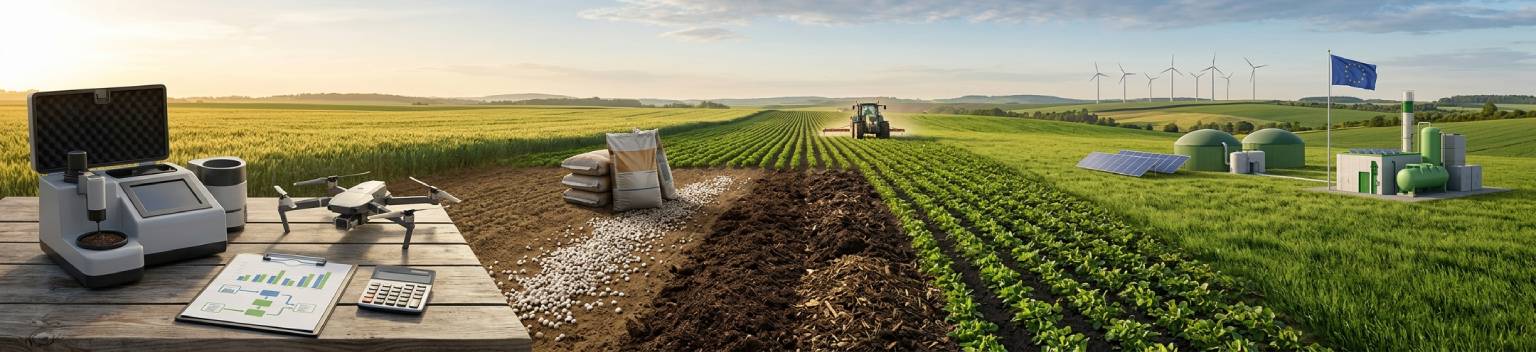 Per saperne di più: Piano d’azione dell’UE sui fertilizzanti: cosa comporta per la rendicontazione ESG e la sostenibilità della catena di approvvigionamento
Piano d'azione dell'UE sui fertilizzanti: cosa comporta per la rendicontazione ESG e la sostenibilità della catena di approvvigionamento
Il 19 maggio 2026, la Commissione europea ha adottato il Piano d’azione sui fertilizzanti, un’iniziativa volta a proteggere gli agricoltori europei dall’aumento dei costi dei fattori di produzione, a ricostruire la capacità produttiva interna e a ridurre la dipendenza dell’Unione dai fertilizzanti importati. Per i team che si occupano di sostenibilità, i responsabili dei dati ESG e gli istituti finanziari, si tratta di ben più di…
 Per saperne di più: Normativa in materia di valutazione della rilevanza — un confronto a livello globale
Normativa in materia di valutazione della rilevanza — un confronto a livello globale
Attualmente sono ventitré le giurisdizioni che impongono una qualche forma di valutazione della materialità in materia di sostenibilità. Il numero è triplicato dal 2021. Tuttavia, il termine “materialità” assume significati diversi a seconda del luogo in cui un’azienda è costituita, del luogo in cui è quotata e dell’autorità di regolamentazione che la vigila — e le conseguenze pratiche di tale divergenza sono significative. A…
 Per saperne di più: Norma volontaria dell’UE per la rendicontazione sulla sostenibilità: spiegazione della bozza di regolamento delegato e del limite massimo per la catena del valore
Standard volontario dell’UE per la rendicontazione sulla sostenibilità: spiegazione della bozza di regolamento delegato e del limite massimo per la catena del valore
Progetto di regolamento delegato n. Ares(2026)4624010 – Pubblicato il 6 maggio 2026 Il limite massimo della catena del valore è ora uno strumento giuridicamente vincolante. La Commissione europea ha pubblicato il progetto di regolamento delegato che eleva il VSME da raccomandazione non vincolante a norma di diritto dell’Unione europea e fissa un limite massimo formale per i dati sulla sostenibilità…
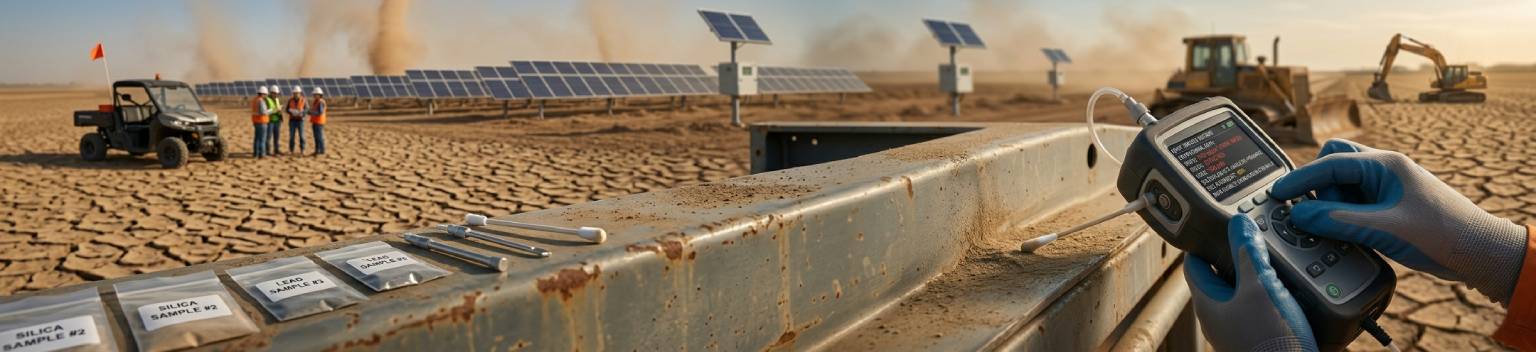 Per saperne di più: Inquinamento da polveri: rischi per la salute, impatti sul clima e cosa dice la scienza
Inquinamento da polveri: rischi per la salute, impatti sul clima e cosa dice la scienza
La polvere è la sostanza più sottovalutata sulla Terra. Ogni anno, circa due miliardi di tonnellate di polvere minerale vengono trasportate nell’atmosfera dai deserti, dai fondali prosciugati dei laghi e dai terreni agricoli degradati. Attraversa gli oceani, contribuisce alla formazione delle nuvole, fertilizza le foreste pluviali, trasporta metalli tossici nei nostri polmoni — e potrebbe aver catalizzato la prima forma di vita organica…
 Per saperne di più: Le sfide della misurazione dell’impatto: cosa rivela il documento “Spotlight” della SSF
Le sfide della misurazione dell’impatto: cosa emerge dal documento “Spotlight” della SSF
L’impact investing rappresenta oggi, solo in Svizzera, un patrimonio gestito pari a 228 miliardi di franchi svizzeri. Tuttavia, sul settore aleggia una domanda ricorrente: gli investitori sono davvero in grado di dimostrare i risultati che dichiarano di ottenere? Un nuovo rapporto di Swiss Sustainable Finance fornisce alcune delle prove più evidenti finora raccolte a sostegno del fatto che…

Iscriviti alla nostra newsletter!
Le ultime notizie e gli eventi relativi all'impatto, al rischio e alla sostenibilità in tutto il mondo.