
From a licensed GRI partner
GRI Standards reporting software, from first disclosure to Content Index
Assign every GRI disclosure, collect and approve the data, and build your report and its Content Index from one set of approved data.
An official GRI Licensed Software & Tools Partner
Generation Impact Global is licensed by GRI to use the GRI Standards in its reporting software.
Generation Impact Global and GRI
Generation Impact Global (GIG) is a Swiss ESG reporting software company and an official GRI Licensed Software and Tools Partner. The GIG platform helps organisations report against the Global Reporting Initiative (GRI) Standards, from material topics and disclosures to the GRI Content Index and statement of use.
Generation Impact Global is listed in GRI’s directory of Licensed Software & Tools Partners. The platform supports reporting “in accordance with” or “with reference to” the GRI Standards, and guides your team through data collection, review, approval and export.
Data entered once for GRI can be reused for ESRS, ISSB and VSME, and your figures stay consistent across every report.
Why organisations choose Generation Impact Global for GRI
Built on the GRI Standards
Report in accordance with the GRI Standards, or with reference to them.
One data set, many frameworks
Report GRI once and reuse the same approved data for ESRS, ISSB and VSME.
Security and access
ISO/IEC 27001:2022 certified and GDPR compliant, with access controls and an audit trail on every disclosure.
Part of the reporting community
Member of Swiss Sustainable Finance and Eurosif, and a Friend of EFRAG.
Traceable by design
Open any disclosure and see who answered, with what evidence
Assurance providers and stakeholders ask where a figure comes from. Each disclosure answers that on screen: its owner, the evidence attached, who verified it and where it sits in the report.
An owner and a deadline
Every disclosure is assigned to a person, with a due date your team can follow.
Evidence attached
Invoices, policies and source files sit with the answer they support.
Verified, with history
Each requirement is verified or omitted with a reason, and its version history shows who changed what, and when.
Change history
Every edit is kept, so you can see how a figure changed before it was approved.
Content Index row: GRI 305-1 → Sustainability report, page 31| Step | Who | Status | Record kept |
|---|---|---|---|
| Assigned | User · Environment lead | Due 13 Feb 2026 | Owner and deadline |
| Answered | User · Environment lead | Submitted | 12,476 tCO2e (sample), GHG inventory file attached as evidence |
| Verified | User · Sustainability manager | Verified | Who verified it, when, and comments |
| Reported | Report management | In Content Index | Location in the report and version |
Report GRI once. Reuse it for ESRS, ISSB and VSME.
In 2023, EFRAG and GRI confirmed a high level of interoperability between the ESRS and the GRI Standards for impact reporting. Built-in mappings carry your approved GRI data into the other frameworks you report on, so nobody enters the same figure twice.
Climate data
GRI 305 emissions disclosures (GRI 102-5 to 102-7 from 2027) map to ESRS E1 gross Scope 1, 2 and 3 GHG emissions.
Workforce data
GRI 405-1 employee diversity data maps to the ESRS S1 diversity metrics.
| Framework | Materiality basis | Main audience | Status |
|---|---|---|---|
| GRI | Impact materiality | All stakeholders | Voluntary standard; over 40 exchanges and regulators reference or require it |
| ESRS (CSRD) | Double materiality | Investors and other stakeholders | Mandatory for companies in CSRD scope |
| ISSB (IFRS S1 and S2) | Financial materiality | Investors | Adopted jurisdiction by jurisdiction |
| SASB | Financial materiality, by industry | Investors | Maintained by the ISSB |
On 26 May 2026, GRI and the IFRS Foundation published a joint statement on using the GRI and ISSB Standards together, with each serving its own purpose. Read the statement
See how interoperability worksHow the GRI cycle works
From the structure of the GRI Standards to the published report and its Content Index, in six steps.
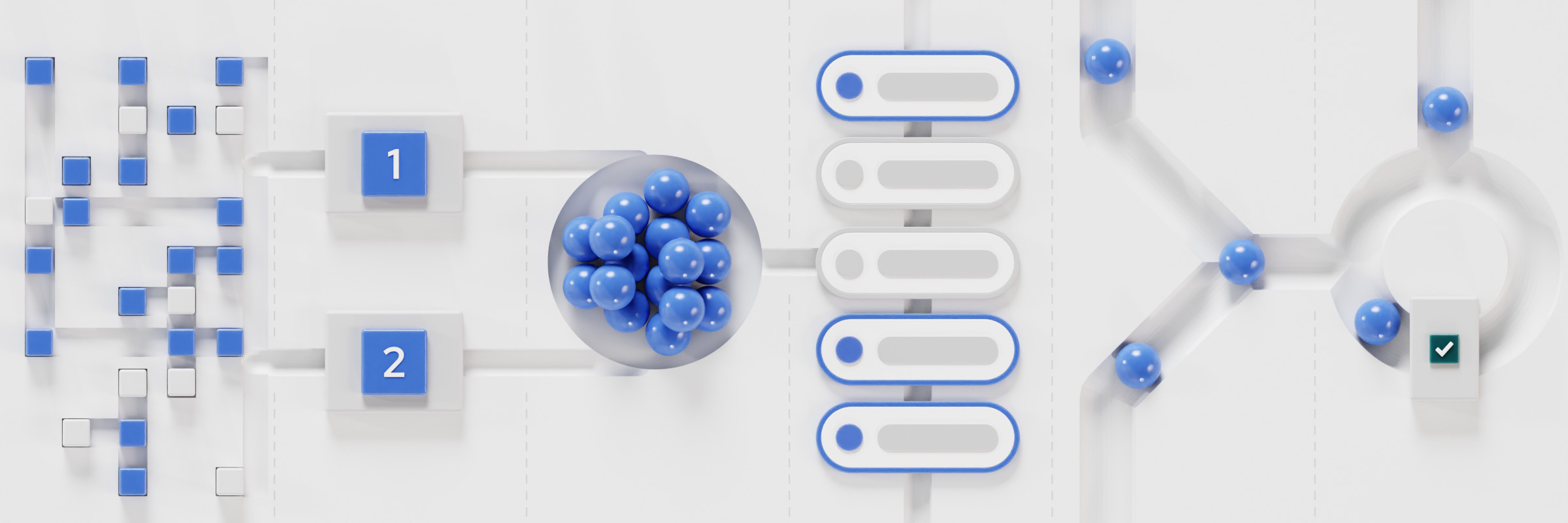
The structure of the GRI Standards
The GRI Standards are a modular set of Universal, Sector and Topic Standards. GRI 1, GRI 2 and GRI 3 apply to every report, and the rest follow from your sector and your material topics.
Declare how you report
Choose to report “in accordance with” the GRI Standards, meeting all nine requirements in GRI 1, or “with reference to” them. Either way you publish a GRI Content Index and a statement of use, and notify GRI.
Determine your material topics
GRI materiality is impact materiality: your most significant impacts on the economy, the environment and people, ranked by severity and likelihood. If you also report under ESRS, run a double materiality assessment in the platform.
Select the standards that apply
Your material topics, and your Sector Standard where one exists, set which Topic Standards you report. Each disclosure then gets an owner, a due date and a priority.
Collect the data and prepare your report
Owners enter quantitative and qualitative answers with their evidence. The platform then generates the full report or the GRI Content Index, to download as PDF, Excel, Word or HTML.
Review, verify and improve
Each requirement is verified, or omitted with a reason, and every answer keeps its version history. Disclosures stay stored by reporting year, ready for your next GRI cycle.
The GRI Standards your report needs
Universal Standards apply to every report. Sector and Topic Standards follow from your sector and your material topics.

| Standards | What they cover | When they apply |
|---|---|---|
| GRI 1 Foundation | Reporting principles and the requirements to report in accordance with GRI | Every report |
| GRI 2 General Disclosures | The organisation, its governance, strategy and policies | Every report |
| GRI 3 Material Topics | How material topics are determined and managed | Every report |
| Sector Standards | The likely material topics for a sector, for example GRI 11 Oil and Gas, GRI 12 Coal, GRI 13 Agriculture, Aquaculture and Fishing, GRI 14 Mining | When a standard exists for your sector |
| Topic Standards | Disclosures for a topic, for example GRI 102 Climate Change, GRI 403 Occupational Health and Safety, GRI 205 Anti-corruption | For each material topic |
GRI Sustainability Taxonomy and XBRL
The GRI Sustainability Taxonomy is the machine-readable, XBRL-based version of the GRI Standards, published by GRI in June 2025. GIG delivers XBRL tagging of your GRI report together with a specialist XBRL partner, so your approved GRI data can be published in digital, machine-readable form.

Set up the way you report
Whether it’s your first GRI report or your tenth, one entity or a whole portfolio.

In accordance or with reference
Start with reference to GRI, then move to full reporting in accordance with it.

From your material topics
The Topic Standards you report follow your material topics.

Entities and portfolios
Collect GRI data across subsidiaries or portfolio companies.

Year after year
Disclosures stored by reporting year, with the change history of every answer.

Numbers and narrative
Quantitative and qualitative answers, each with its evidence.

Any size of organisation
The GRI Standards apply to any organisation, and so does the platform.

The GRI Standards in 8 languages
Work with the GRI Standards in English, Italian, French, Spanish, German, Portuguese, Traditional Chinese and Japanese. The platform interface is available in English, Italian and French.
Key features

Task management
Track every open disclosure, owner and deadline in one list, and pick up where you left off.

Verification
Verify each requirement, or omit it with a reason, with comments kept alongside.

Assign disclosures
An owner, a due date and a priority for every disclosure.

Report management
Generate the full report or the GRI Content Index, and download it as PDF, Excel, Word or HTML.

Evidence and version history
Attach evidence and see every change to an answer: who, what and when.

Interoperability
See compatible content from ESRS, ISSB and other frameworks for each requirement.
VitAI™ for GRI, where enabled
AI that drafts, your team that decides
- AI workspaces: pick the disclosures and the documents to read, and VitAI™ finds the evidence for them
- “Fill one by one”: VitAI™ proposes an answer from the matched passages, which you edit before accepting
- AI data extraction on each requirement
See the output first
Xlife Sciences AG

“With the support of their platform and guidance, we were able to deliver a GRI report that reflects both our values and strategic direction.”
Désirée Dosch, Board Member, Xlife Sciences AG
United Manganese of Kalahari

“(…) GIG’s software has been instrumental in transforming how we approach sustainability, providing robust tools that streamline our data collection, analysis, and reporting processes. (…)”
Malcolm Curror, CEO, United Manganese of Kalahari

Read a sample GRI Content Index
A GRI Content Index template, as the platform produces it.
Download a sample GRI Content Index (PDF, 2 pages)GRI in context
GRI is an independent, not-for-profit standards body. Its June 2026 study of 14,682 listed companies with revenue above USD 250 million found that 40% use the GRI Standards. Together they represent 62% of global market capitalisation, and GRI reporters are headquartered in 107 of the 132 jurisdictions covered.

How to use the GRI Standards
Structure, reporting approach, materiality and the reporting cycle
Read the guide
GRI for capital markets
Over 40 stock exchanges and market regulators reference or require the GRI Standards
Read the guide
GRI for policy making
How policymakers use GRI, including its interoperability with ESRS
Read the guide
GRI Sustainability Taxonomy
GRI’s machine-readable taxonomy, built on XBRL, and tagged reporting
Read the guideYour GRI reports database
GRI keeps a public database of sustainability reports and goals. In the GIG platform, every past GRI report and disclosure stays stored by reporting year, so your own reporting history is always to hand.
Explore GRI’s databaseThe new GRI Topic Standards
GRI is replacing three older Topic Standards. Each becomes required on a set date, and GRI encourages early adoption.
| Standard | Replaces | Required for reports published from |
|---|---|---|
| GRI 101: Biodiversity 2024 | GRI 304: Biodiversity 2016 | 1 January 2026 |
| GRI 102: Climate Change 2025 | GRI 305: Emissions 2016 (Disclosures 305-1 to 305-5) and Disclosure 201-2 of GRI 201: Economic Performance 2016 | 1 January 2027 |
| GRI 103: Energy 2025 | GRI 302: Energy 2016 | 1 January 2027 |
GRI 101: Biodiversity 2024 is available in the platform. Support for GRI 102: Climate Change 2025 and GRI 103: Energy 2025 is in development, ahead of their 1 January 2027 effective date.
Related GRI tools
Tools that support each stage of your GRI reporting.
Questions related to GRI
What is the Global Reporting Initiative (GRI)?
The Global Reporting Initiative (GRI) is the independent, not-for-profit organisation that publishes the GRI Standards for reporting an organisation’s impacts on the economy, the environment and people, and Generation Impact Global (GIG) is one of its official Licensed Software and Tools Partners. The GIG platform lets organisations report against the GRI Standards from material topics to the GRI Content Index.
Is this official GRI software?
GRI does not build the GIG platform, but GIG is an official GRI Licensed Software and Tools Partner, licensed by GRI to use the GRI Standards in its reporting software.
Who reports against the GRI Standards, and what are the GRI criteria?
Any organisation, of any size, sector or location, can report against the GRI Standards, and the GIG platform supports your report from the first disclosure. GRI reporting is voluntary, although over 40 stock exchanges and market regulators reference or require it. The criteria are set in GRI 1: Foundation: reporting “in accordance with” the GRI Standards means meeting all nine requirements in GRI 1, including determining material topics under GRI 3, publishing a GRI Content Index and a statement of use, and notifying GRI.
When do the new Topic Standards apply?
GRI 101: Biodiversity 2024 is already available in the GIG platform, and GRI requires it for reports published from 1 January 2026. GRI 102: Climate Change 2025 and GRI 103: Energy 2025 are required from 1 January 2027, and GIG is developing support for both ahead of that date.
What is the difference between “in accordance with” and “with reference to”?
Both GRI reporting approaches are supported in the GIG platform. “In accordance with” means meeting all nine requirements in GRI 1, while organisations that cannot meet them all can report “with reference to” the GRI Standards. Both approaches need a GRI Content Index, a statement of use and notifying GRI.
Does GIG support quantitative and qualitative GRI disclosures?
Yes: the GIG platform supports quantitative and qualitative answers for GRI disclosures, each with its own evidence attached, verification and version history.
Does GIG cover GRI 3: Material Topics and the Sector Standards?
GIG covers the Universal Standards, including GRI 3: Material Topics, together with the Sector Standards and the Topic Standards. Your material topics, and your Sector Standard where one exists, set which Topic Standards you report.
How do I build a GRI Content Index?
The GIG platform generates the GRI Content Index from your approved disclosures, including any omitted disclosures and the reason for each, and you can download it as PDF, Excel, Word or HTML. The index shows each GRI disclosure you report and where it sits in your report, and it is required for both “in accordance with” and “with reference to” reporting, together with a statement of use.
Which GRI software suits a company preparing its first GRI report?
For a first GRI report, GIG lets you start by reporting “with reference to” the GRI Standards and then move to full reporting “in accordance with” them. Every disclosure gets an owner, a deadline and its evidence, and the platform builds the GRI Content Index from your approved data.
How do I report GRI 403: Occupational Health and Safety?
GRI 403: Occupational Health and Safety 2018 is reported in the GIG platform through Disclosures 403-1 to 403-10, each assigned to an owner and backed by evidence. Disclosures 403-1 to 403-8 cover how occupational health and safety is managed, from the management system and hazard identification to worker training and coverage, while 403-9 and 403-10 cover work-related injuries and work-related ill health.
How do I move from GRI G4 to the current GRI Standards?
There is no G5: the GRI Standards replaced the G4 Guidelines in 2016, and the GIG platform works with the current GRI Standards. The Universal Standards were revised in 2021 and apply to reporting from 1 January 2023, so a former G4 reporter starts with GRI 1, GRI 2 and GRI 3 and then the Topic Standards for its material topics.
What is the difference between GRI and integrated reporting?
GRI reporting, which the GIG platform supports, covers an organisation’s impacts on the economy, the environment and people for a wide range of stakeholders. Integrated reporting, based on the Integrated Reporting Framework now maintained by the IFRS Foundation, explains to providers of financial capital how an organisation creates value over time, and the two can be used together.
Can we reuse our GRI data for ESRS?
Built-in mappings in GIG carry approved GRI data into ESRS, ISSB and VSME, so each figure is entered only once.
Does GIG support XBRL tagging with the GRI Sustainability Taxonomy?
Yes: GIG delivers XBRL tagging of your GRI report with a specialist XBRL partner, using the approved data in the GIG platform. The GRI Sustainability Taxonomy, published by GRI in June 2025, is the machine-readable, XBRL-based version of the GRI Standards.
How does GRI compare with ESRS, ISSB and SASB?
With GIG you report GRI once and reuse the approved data for ESRS, ISSB and VSME. GRI covers your impacts for all stakeholders, ESRS uses double materiality, and ISSB and SASB focus on financial materiality for investors.
Can we try GRI reporting for free?
GRI reporting is included in the GIG Freemium plan, so you can start straight away. Some features depend on usage or your plan.
Report against the GRI Standards with confidence
See your GRI report and its Content Index come together from one set of approved data. Bring one material topic and follow it from owner to report.