
GRI Sustainability Taxonomy
Bringing structure and clarity to sustainability data.

What is it?
The GRI Sustainability Taxonomy, introduced in June 2025, is a digital classification system that helps organisations structure their sustainability data in a consistent and machine-readable way. Think of it as a digital language for sustainability, making it easier to tag, link, and share the information you report in line with the GRI Standards.
Whether you’re preparing a report or integrating sustainability into your systems, the taxonomy ensures that your data speaks the same language as your stakeholders, regulators, and digital tools.
Explore the technical structure
Why does it matter?
Sustainability data is only as powerful as it is usable. The GRI Taxonomy makes disclosures clearer and more comparable, helping organisations, investors, and regulators see the bigger picture.
For companies, it reduces manual work and improves the quality of data. For those reading reports, it means easier access to trusted information.
How the GRI Taxonomy works
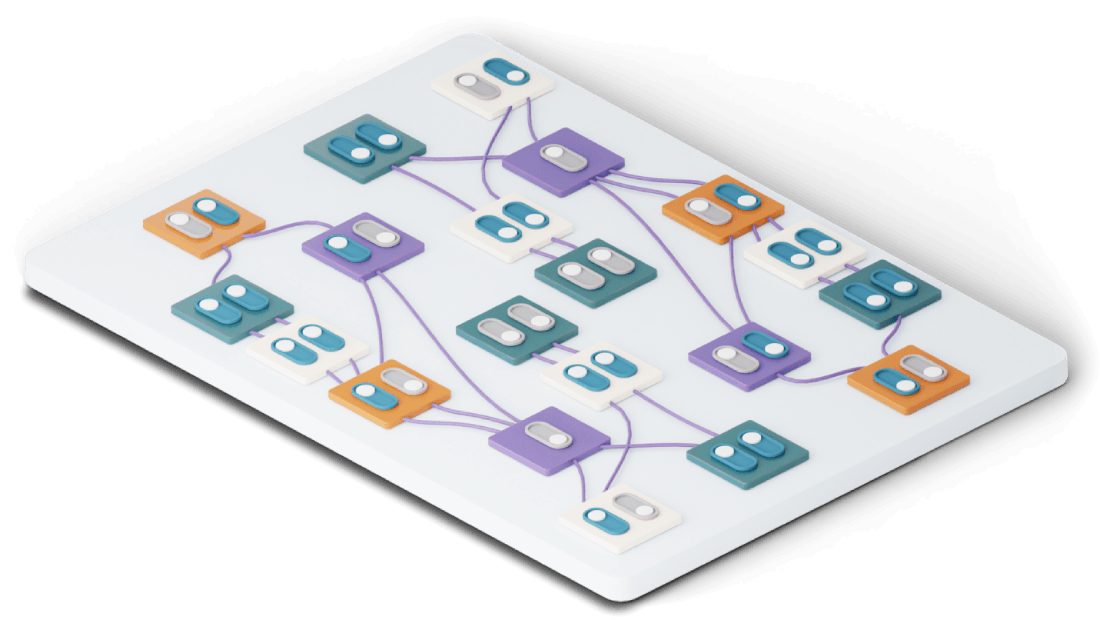
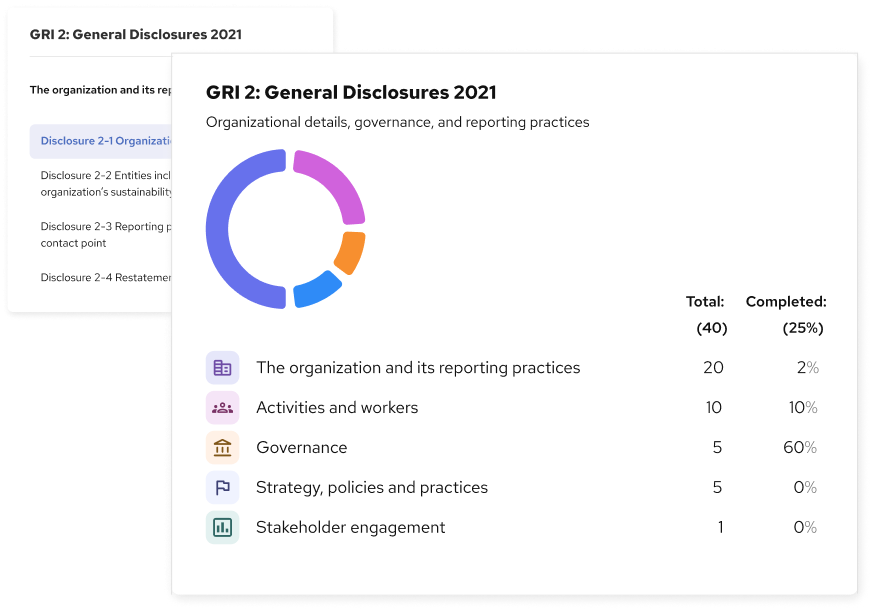
The taxonomy turns the GRI Standards into a structured data model using XBRL. It’s designed to tag disclosures across all GRI modules from your general reporting profile to material topics, sector specifics, and impact metrics.
You can:
- Tag data directly in your reporting system
- Validate information to avoid errors
- Export in formats like XML, XBRL, and JSON
And It works behind the scenes, so your reports remain human-readable while machines make sense of them too.
Related pages
GRI Sustainability Taxonomy Library:


Need a hand? We’ve got you.
At Generation Impact Global, we help organisations bring their sustainability reporting to life and into code.
From technical setup to tagging guidance, validation and data formatting, we support companies that want to get the full value from digital GRI reporting.
Contact us for further details
Common questions about GRI
1. How does GRI work?
GRI is built around three types of standards: Universal Standards, Sector Standards and Topic Standards. Together they form a modular system. You start with the Universal Standards, then add Sector and Topic Standards based on what is material to your business.
2. What is the purpose of GRI?
The purpose of GRI is to give organisations a consistent, structured way to report on sustainability, so disclosures are comparable across companies and industries.
3. How do you use GRI?
Start with the Universal Standards (GRI 1, 2, and 3), they apply no matter your industry. From there, run a materiality assessment to identify your key topics, then select the matching Topic Standards and any relevant Sector Standard for your industry.
4. Who should use GRI?
GRI applies to any organisation that wants to report on its sustainability impact, large or small, public or private, across any industry. It’s especially useful for companies facing investor, regulatory, or customer pressure to disclose ESG performance.
5. Is GRI mandatory?
GRI itself is voluntary. It’s a globally recognised framework, not a law. That said, some regulations reference or align with it; for example, the EU’s CSRD draws on GRI concepts, and a handful of countries have made GRI-based reporting mandatory for certain company sizes.
6. How is GRI different from ESRS?
GRI’s structure is voluntary and impact-focused. It uses single materiality, meaning a topic counts if it matters to people or the environment, regardless of financial impact. ESRS, the EU’s mandatory framework under CSRD, uses double materiality and requires assured, machine-readable digital disclosures.
7. How is GRI different from the IFRS Sustainability Taxonomy?
GRI is voluntary and broad, covering any topic with real-world impact on people, the economy, or the environment, aimed at a wide range of stakeholders. The IFRS Sustainability Taxonomy (built on ISSB’s IFRS S1 and S2) is narrower and investor-focused, covering only sustainability issues that are financially material, meaning they affect enterprise value, cash flow, or access to capital. In short: GRI asks “what’s our impact on the world,” IFRS asks “what affects our bottom line.”
Related news
 Read more: The VSME Digital Template and XBRL taxonomy explained
The VSME Digital Template and XBRL taxonomy explained
 Read more: IFRS, GRI Align Climate Disclosures to Simplify ESG Reporting
IFRS, GRI Align Climate Disclosures to Simplify ESG Reporting
 Read more: Alignment between GRI and ESRS
Alignment between GRI and ESRS